VR experience strategy
Audience, device choice, interaction rules, scene structure, success metrics, and constraints defined before production starts.
VR Virtual Reality Solutions
Build virtual environments where people can practice, inspect, learn, or explore without needing the real place, equipment, or situation every time. We scope the hardware, interaction model, content, and launch path around the business goal.
Best For
What You Get
Audience, device choice, interaction rules, scene structure, success metrics, and constraints defined before production starts.
A focused demo that proves the core interaction, comfort level, navigation, and training or walkthrough value.
Optimized scenes, objects, controllers, UI, audio, prompts, and guided actions built for the target hardware.
Deployment for Meta Quest, PCVR, browser-based WebXR, or a hybrid path depending on accessibility needs.
Performance, frame rate, user comfort, onboarding instructions, and device testing for a smoother rollout.
Build files, usage instructions, content notes, analytics options, and maintenance guidance for your team.
Typical Timeline
We define the user scenario, headset or web target, content sources, safety constraints, and prototype scope.
A playable proof of the core mechanic or walkthrough confirms comfort, controls, and stakeholder expectations.
Scenes, assets, training logic, UI, audio, integrations, and performance work are completed in production cycles.
Device testing, stakeholder review, onboarding material, and launch packaging prepare the experience for use.
Pricing Drivers
We price around complexity, content, integrations, and launch requirements. These are the questions that usually shape a realistic quote.
Proof Of Capability
These are concept-style examples until you confirm which items should be presented as real client work.
 Concept
A repeatable VR scenario with guided steps, hazard prompts, scoring, and instructor review notes.
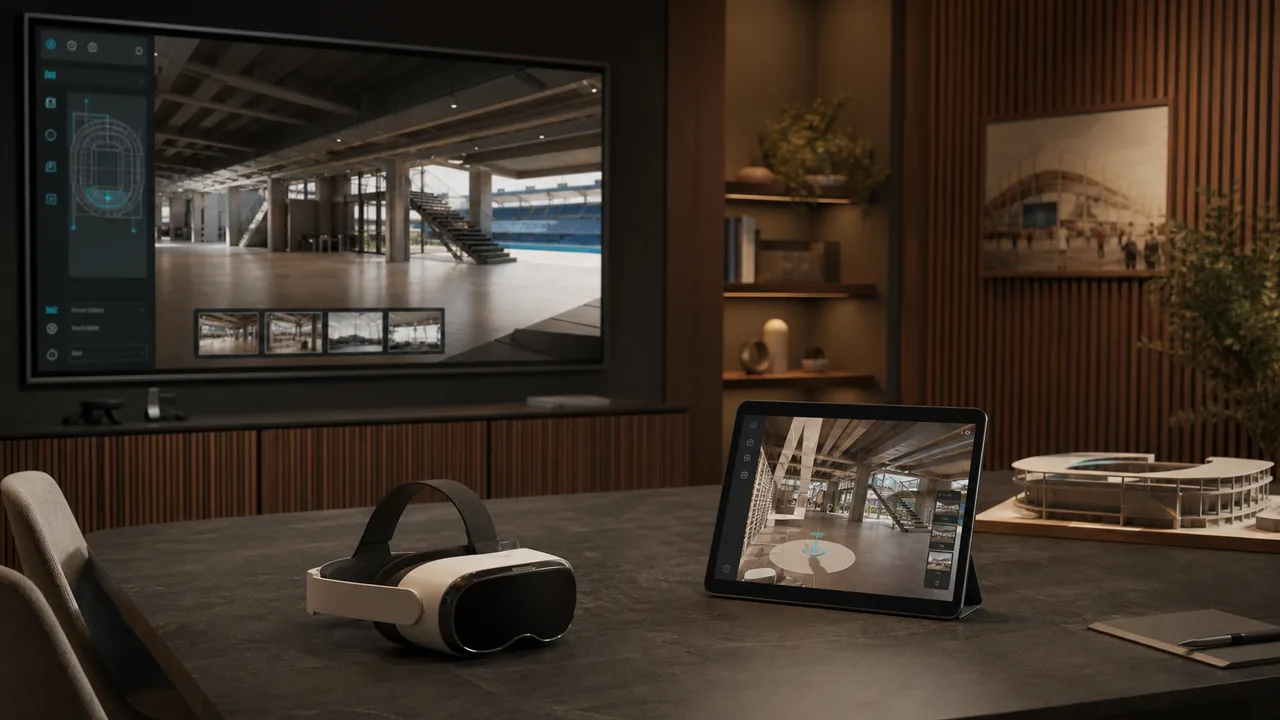
 Concept
A headset and desktop preview for stakeholders to inspect space, scale, finishes, and wayfinding.
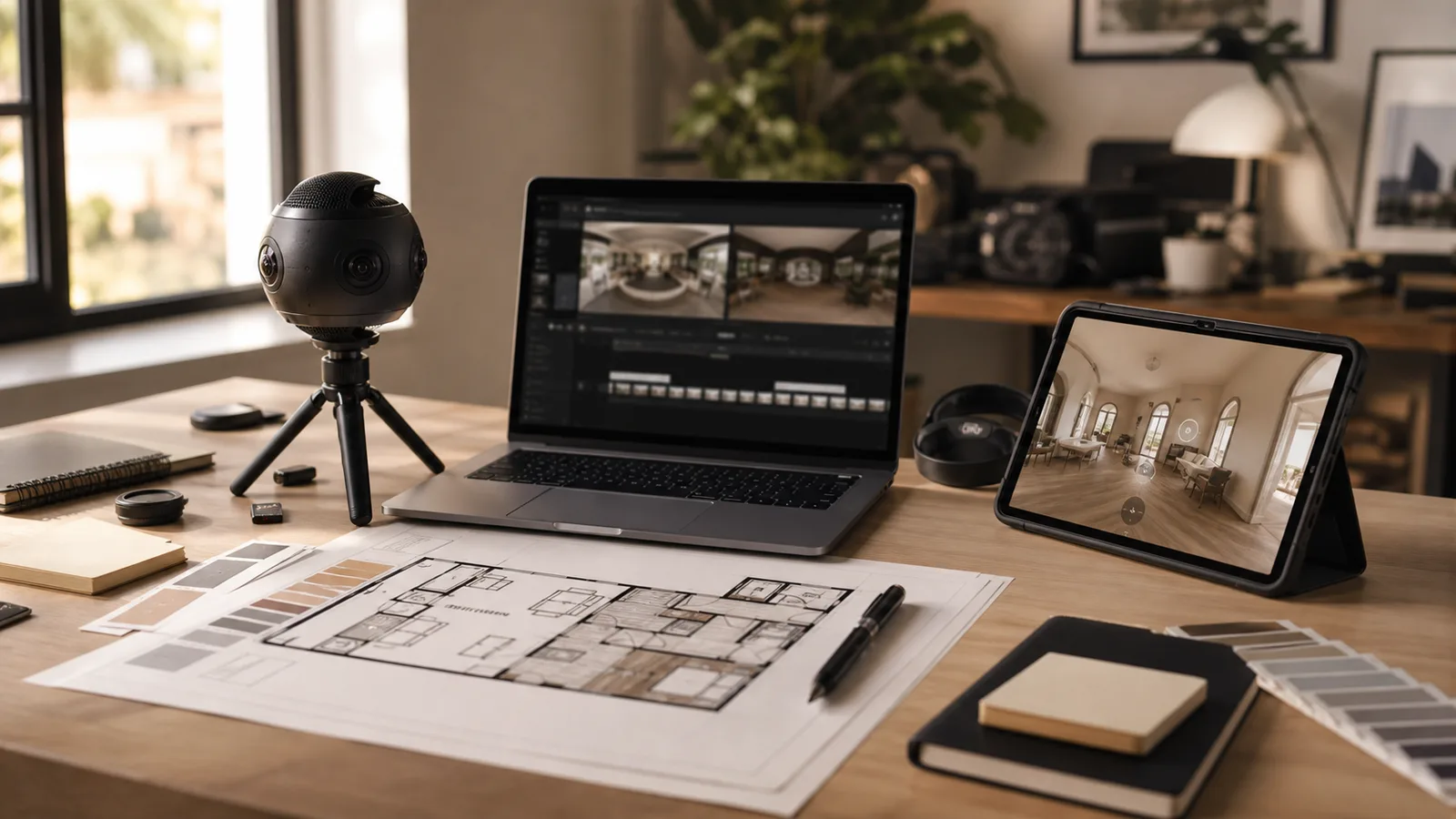
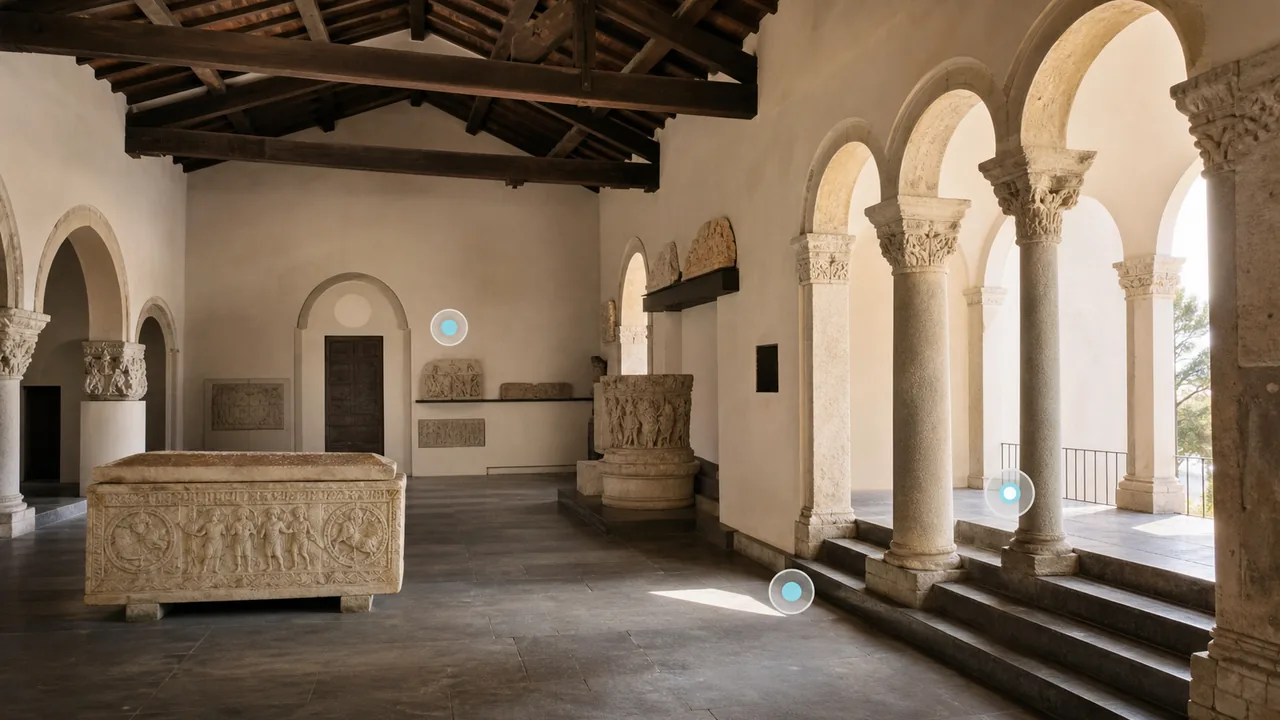 Concept
A guided destination preview that combines 3D scenes, narration, and optional 360 content.
FAQ
We can plan for Meta Quest, PCVR devices, and WebXR-compatible browsers. The best choice depends on audience access, performance needs, and deployment budget.
Often, yes. We can create a desktop or mobile preview for review and discovery, then offer headset mode where deeper immersion is needed.
Yes. We can create optimized 3D assets, adapt CAD or model files you already have, or combine both approaches.
We use comfort-aware navigation, stable frame rates, careful camera behavior, clear onboarding, and testing on the target device.
Yes. We can add guided tasks, scoring, scenario branching, instructor review data, and optional reporting integrations.
Related Resources