Game concept and mechanics
Core loop, rules, progression, controls, audience fit, monetization assumptions, and launch constraints.
GAME Interactive Game Solutions
Build playable experiences people understand by doing. We create mobile games, browser games, simulations, gamified learning, and brand activations with clear mechanics, polished UI, and a practical launch plan.
Best For
What You Get
Core loop, rules, progression, controls, audience fit, monetization assumptions, and launch constraints.
A focused build that proves the main mechanic, feel, UI, and user motivation before deeper production.
Unity, WebGL, or web-native implementation with levels, UI, effects, audio, performance work, and platform packaging.
Visual direction, UI states, menus, HUD, onboarding, and asset integration suited to the game’s purpose.
Events, progression tuning, session review, difficulty balancing, and iteration based on test feedback.
Web deployment, app-store preparation, build packaging, QA notes, and handoff documentation.
Typical Timeline
We define the audience, target platform, core loop, constraints, success criteria, and prototype goal.
A playable build validates controls, pacing, UX, and whether the idea is fun or useful enough to continue.
The game expands through mechanics, content, UI, art, audio, backend, and platform-specific work.
We test devices, browsers, store requirements, performance, balancing, and release packaging.
Pricing Drivers
We price around complexity, content, integrations, and launch requirements. These are the questions that usually shape a realistic quote.
Proof Of Capability
These are concept-style examples until you confirm which items should be presented as real client work.
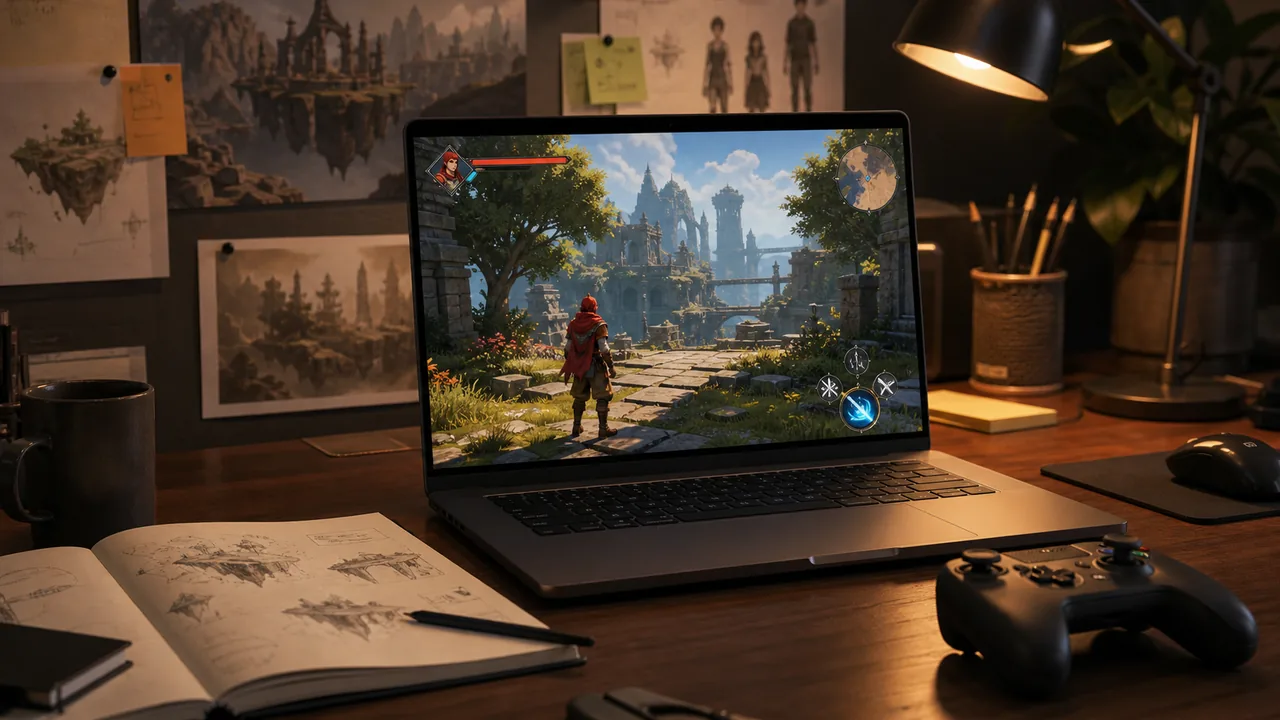 Concept
A browser game that turns a product message into a short, shareable interaction with campaign analytics.
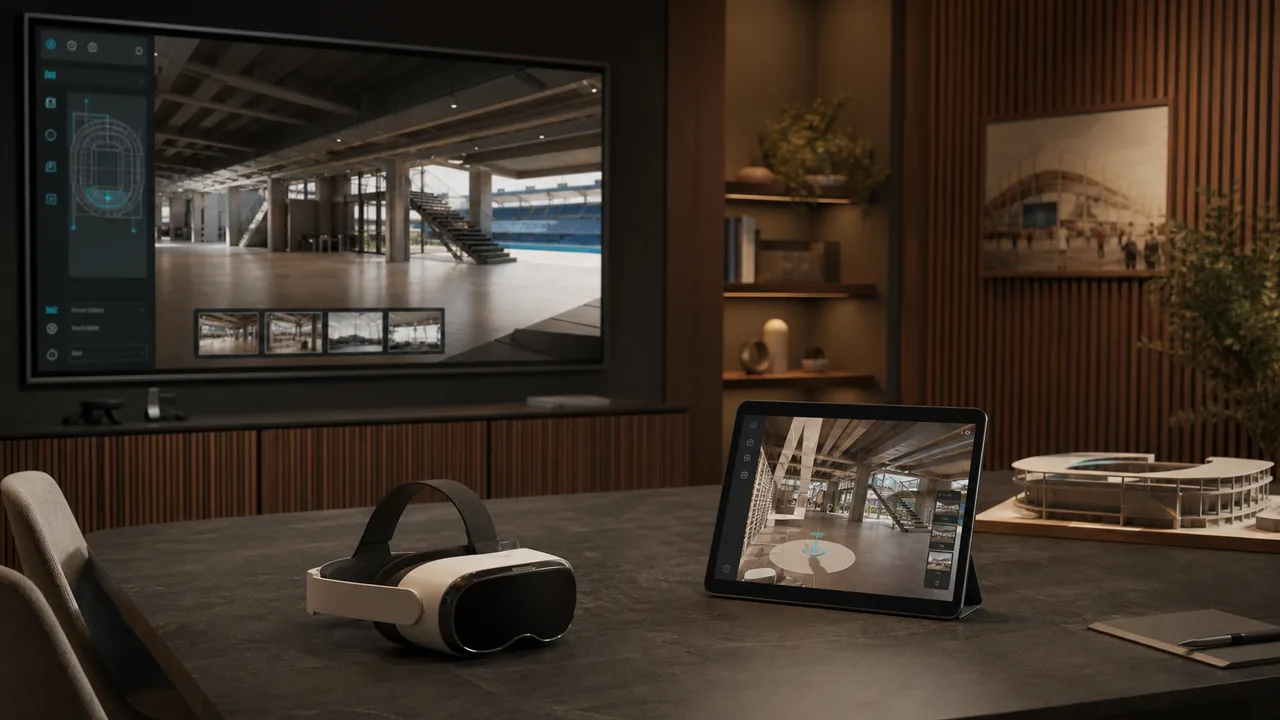 Concept
A scenario-based learning game with scoring, hints, feedback, and repeatable practice flows.
 Concept
A focused slice that tests core controls, retention hooks, and the first few minutes of play.
FAQ
Unity is the strongest fit for many mobile, WebGL, and simulation builds. For lightweight browser experiences, we may recommend web-native tooling when it is simpler and faster.
Yes. A prototype is often the best first step because it tests the mechanic, user flow, and production risk before a larger investment.
Yes. We can help with mechanics, progression, menus, HUD, onboarding, interaction states, and visual direction.
Yes. WebGL and web-native games can be embedded on a website, hosted as standalone campaign pages, or launched behind a QR code.
We can scope multiplayer, but it adds backend, testing, latency, moderation, and support complexity. We will recommend it only when it clearly serves the goal.
Related Resources